Which Signs Show a Dog Is Not Enjoying Daycare Anymore?
Daycare is not right for every dog forever. Here are the signs that a dog may no longer be enjoying it.
Watch for new reluctance, hesitating or hiding at drop-off, and a once-social dog withdrawing from the group or seeking a quiet corner. Persistent panting, pacing, or trouble settling signal stress rather than the happy tiredness of a good day. Share these concerns honestly, even if it means fewer daycare days.
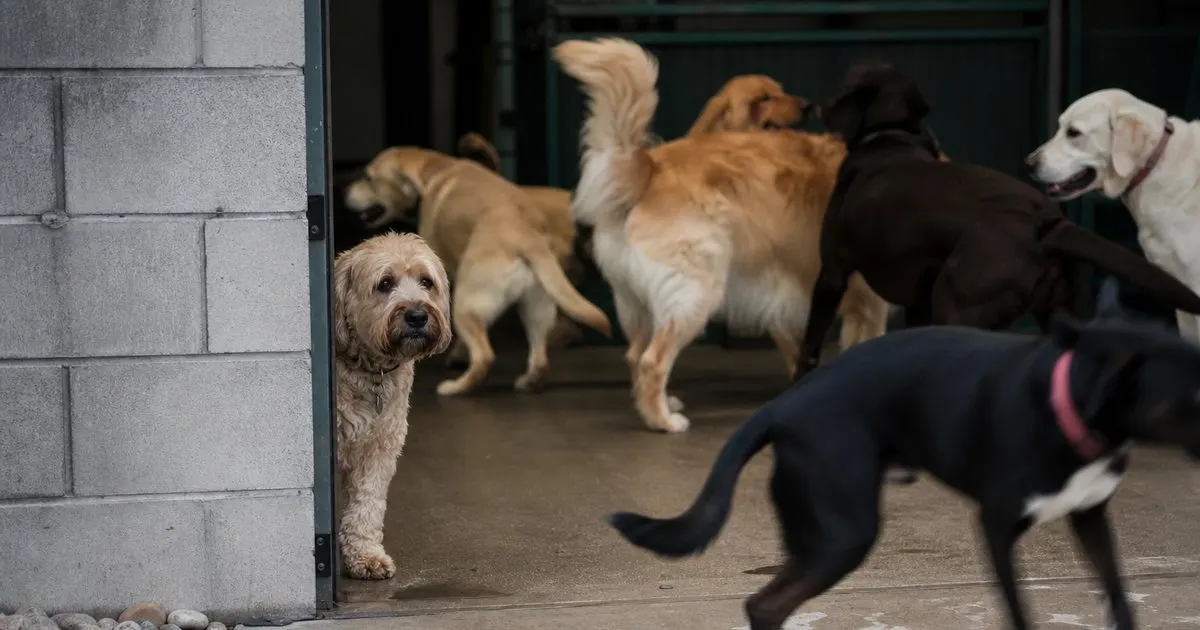
Reluctance at drop-off
A dog that used to bound in and now hesitates, hides, or resists coming through the door may be telling you daycare has stopped being fun.
A clear change in the arrival routine is worth paying attention to.
Keep reading: How Can a Dog Daycare Speed Up Check In During the Morning Rush?, What Should a Daily Report Card Include for Dog Daycare Parents?, Why Does Playgroup Sorting Matter for Safety at a Dog Daycare?. See how PupCheckr helps you dog daycare check-in and daily activity notes.
Withdrawing from the group
A previously social dog that now avoids play, stays on the edges, or seeks out a quiet corner all day may be finding the environment too much.
Not every dog wants a busy group setting for its whole life.
Signs of stress through the day
Persistent panting, pacing, hiding, or trouble settling can signal a dog is stressed rather than tired. These are different from the happy exhaustion of a good day.
Learning to tell stress from healthy fatigue is key.
Talk with the owner honestly
If a dog seems unhappy, share what you see with the owner rather than pushing through. Sometimes a break, fewer days, or a quieter setting is the kind answer.
A daycare that puts the dog first earns lasting trust, even when the advice is fewer visits. Related: How Can Daily Notes Build Trust Between a Daycare and Owners?
- Watch for new reluctance or hiding at drop-off
- Notice a social dog withdrawing from the group
- Tell genuine stress apart from happy tiredness
- Share concerns honestly, even if it means fewer daycare days

Julien Jimenez
Julien Jimenez is an independent software builder based in Paris. He designs, ships, and operates focused SaaS products for small businesses and independent professionals. Read the full author page.
Frequently asked questions
How do you tell stress apart from a dog that is just tired?
Happy exhaustion looks like a calm, content dog after a good day. Persistent panting, pacing, hiding, or trouble settling is different and signals stress, so learning to tell them apart is key.
What should a daycare do when a dog seems unhappy there?
Share what you see with the owner rather than pushing through. Sometimes a break, fewer days, or a quieter setting is the kind answer, and putting the dog first earns lasting trust.
Faster check-in, happier daycare parents
Dog daycare check-in and daily activity notes. PupCheckr is built to help you put this into practice.
Speed up check-inMore from the PupCheckr blog
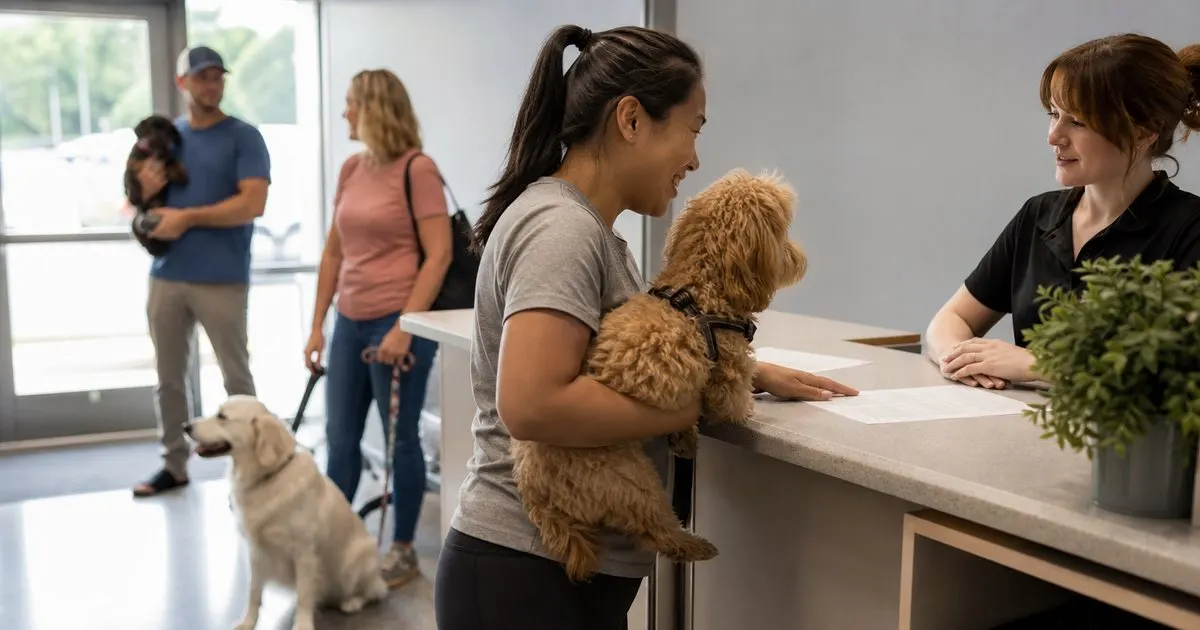
How Can a Dog Daycare Speed Up Check In During the Morning Rush?
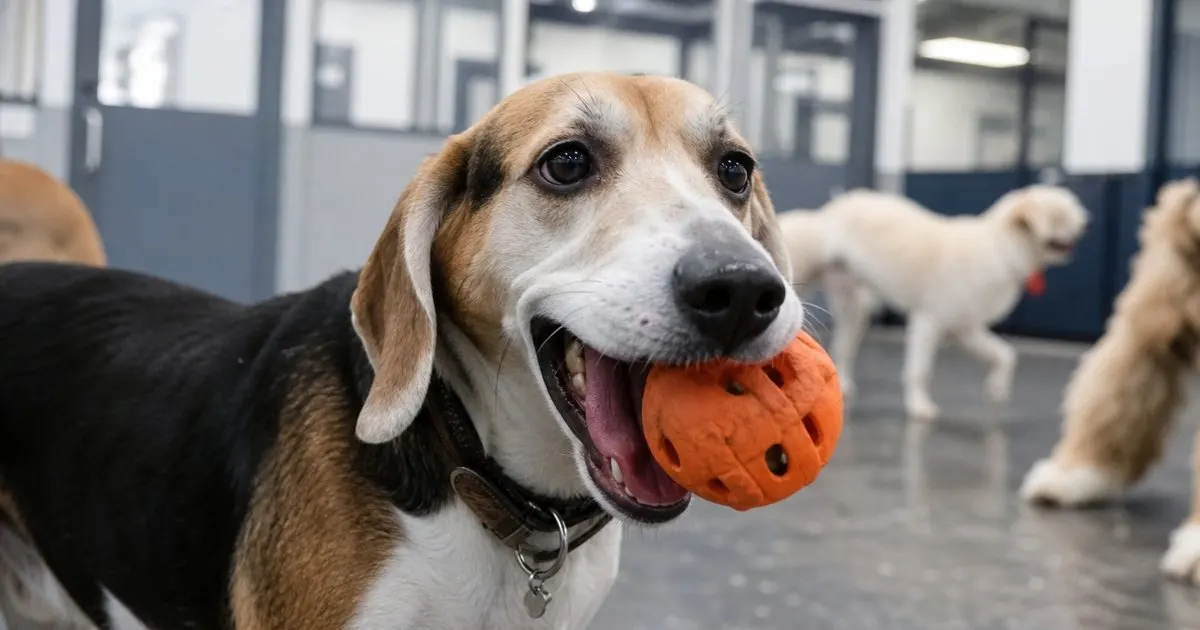
What Should a Daily Report Card Include for Dog Daycare Parents?
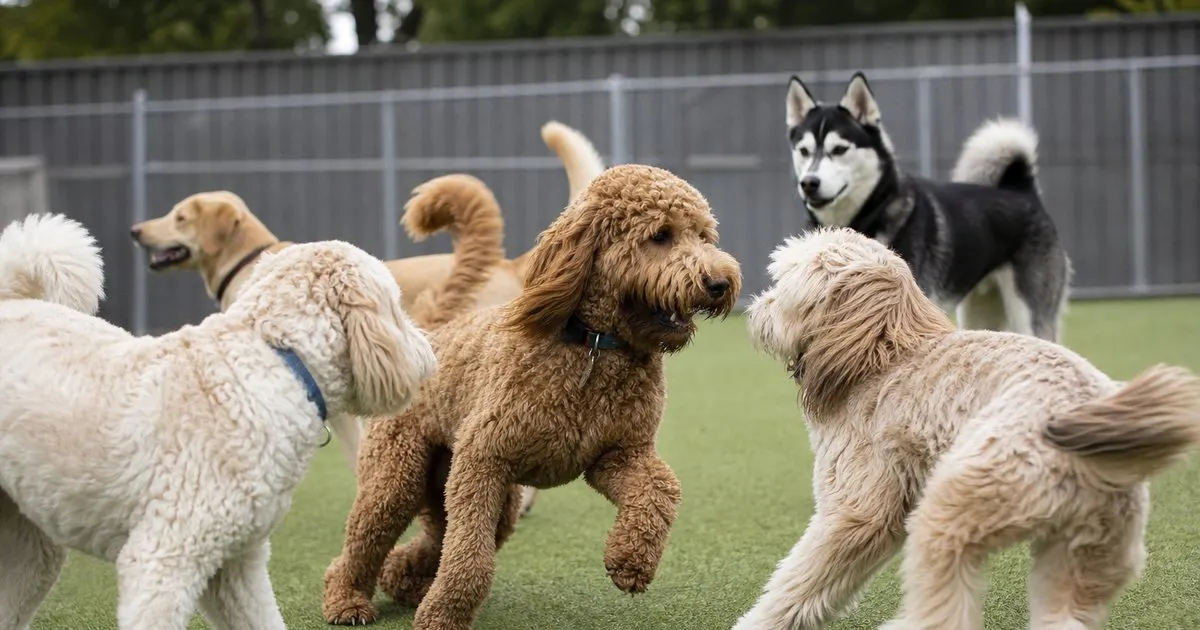
Why Does Playgroup Sorting Matter for Safety at a Dog Daycare?
Get the PupCheckr playbook
Practical guides on dog daycare check-in, straight to your inbox as we publish them. No spam, unsubscribe any time.