Why Does Playgroup Sorting Matter for Safety at a Dog Daycare?
Putting the right dogs together is the core of a safe daycare floor. Here is why thoughtful playgroup sorting matters so much.
Sorting dogs by energy and size prevents the stress and injury that mismatches cause even when no dog means harm, and matching compatible play styles keeps a group harmonious. Well-sorted groups behave predictably, so a handler can supervise effectively. The final judgment of who belongs together comes from trained staff.
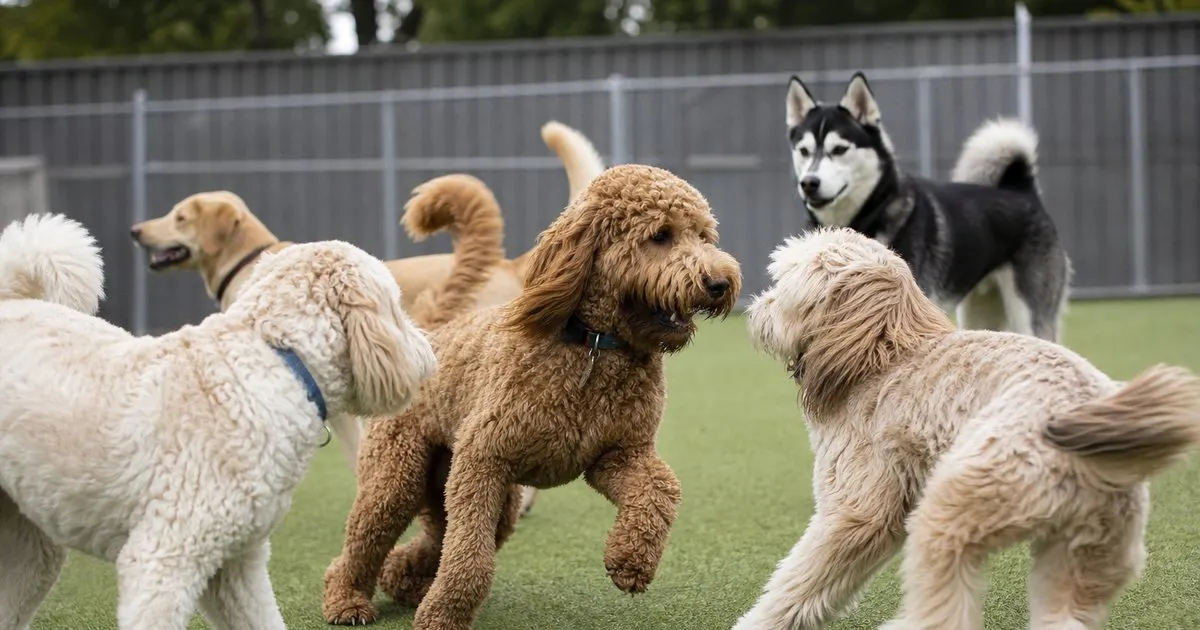
Energy and size mismatches cause trouble
A bouncy young dog and a calm senior, or a tiny dog among big ones, can lead to stress or injury even when no dog means harm. Sorting by energy and size reduces that risk.
Good groupings prevent problems before they start rather than breaking them up after.
Keep reading: How Can a Dog Daycare Speed Up Check In During the Morning Rush?, What Should a Daily Report Card Include for Dog Daycare Parents?, How Many Dogs Should One Handler Supervise in a Daycare Playgroup?. See how PupCheckr helps you dog daycare check-in and daily activity notes.
Play styles are not universal
Some dogs wrestle, some chase, some prefer to sniff and observe. Matching compatible play styles keeps the group harmonious and the dogs comfortable. Related: When Should a Dog Daycare Move Playgroups Indoors Because of Heat?
A mismatched style can read as a threat even in friendly play.
Handlers can supervise better
A well-sorted group behaves more predictably, which lets a handler watch effectively. A chaotic mix of mismatched dogs stretches supervision thin. Related: How Many Dogs Should One Handler Supervise in a Daycare Playgroup?
Sorting is what makes attentive supervision possible.
It relies on skilled staff, not just a chart
Software can track which dog is in which group, but the judgment of who belongs together comes from trained handlers watching real behavior.
Tools organize the groups. People make the calls that keep them safe.
- Sort by energy and size to prevent stress and injury
- Match compatible play styles for a harmonious group
- Well-sorted groups let handlers supervise effectively
- Grouping decisions rely on trained handlers, not a chart alone

Julien Jimenez
Julien Jimenez is an independent software builder based in Paris. He designs, ships, and operates focused SaaS products for small businesses and independent professionals. Read the full author page.
Frequently asked questions
Why do play styles matter when sorting a group?
Some dogs wrestle, some chase, and some prefer to sniff and observe. Matching compatible styles keeps everyone comfortable, because a mismatched style can read as a threat even in friendly play.
Can software alone decide which dogs go in a group?
No. Software can track which dog is in which group, but the judgment of who belongs together comes from trained handlers watching real behavior. Tools organize the groups; people make the calls.
Faster check-in, happier daycare parents
Dog daycare check-in and daily activity notes. PupCheckr is built to help you put this into practice.
Speed up check-inMore from the PupCheckr blog
How Can a Dog Daycare Speed Up Check In During the Morning Rush?
What Should a Daily Report Card Include for Dog Daycare Parents?
How Many Dogs Should One Handler Supervise in a Daycare Playgroup?
Get the PupCheckr playbook
Practical guides on dog daycare check-in, straight to your inbox as we publish them. No spam, unsubscribe any time.