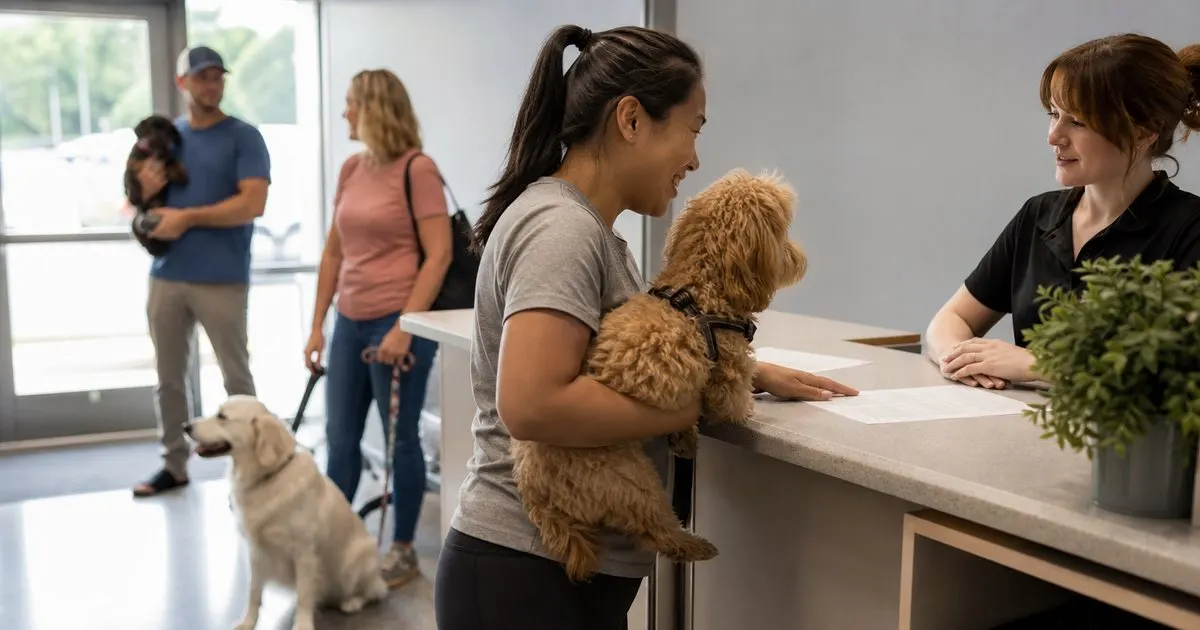
Dog daycare check-in
How Can a Dog Daycare Speed Up Check In During the Morning Rush?
When every owner drops off at once, a slow check-in backs up the lobby. Here is how to keep the morning line moving.
Practical, honest advice from the team behind PupCheckr, written to help you do this well.
When every owner drops off at once, a slow check-in backs up the lobby. Here is how to keep the morning line moving.
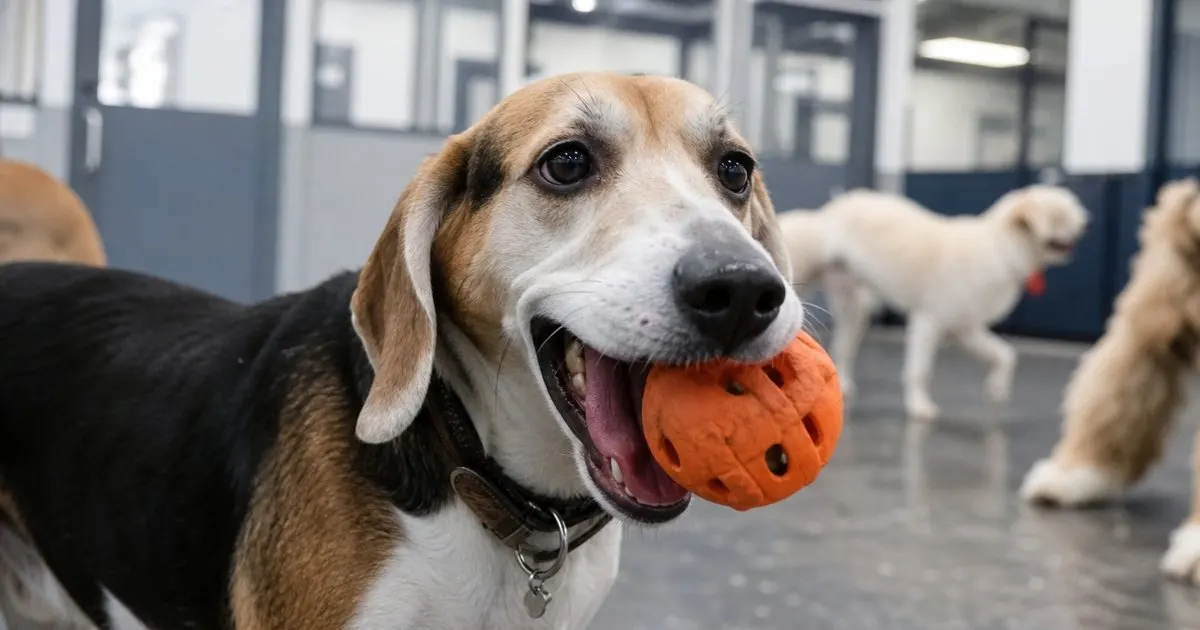
A daily note is the highlight of a daycare parent's day. Here is what to include so it feels personal without taking forever.
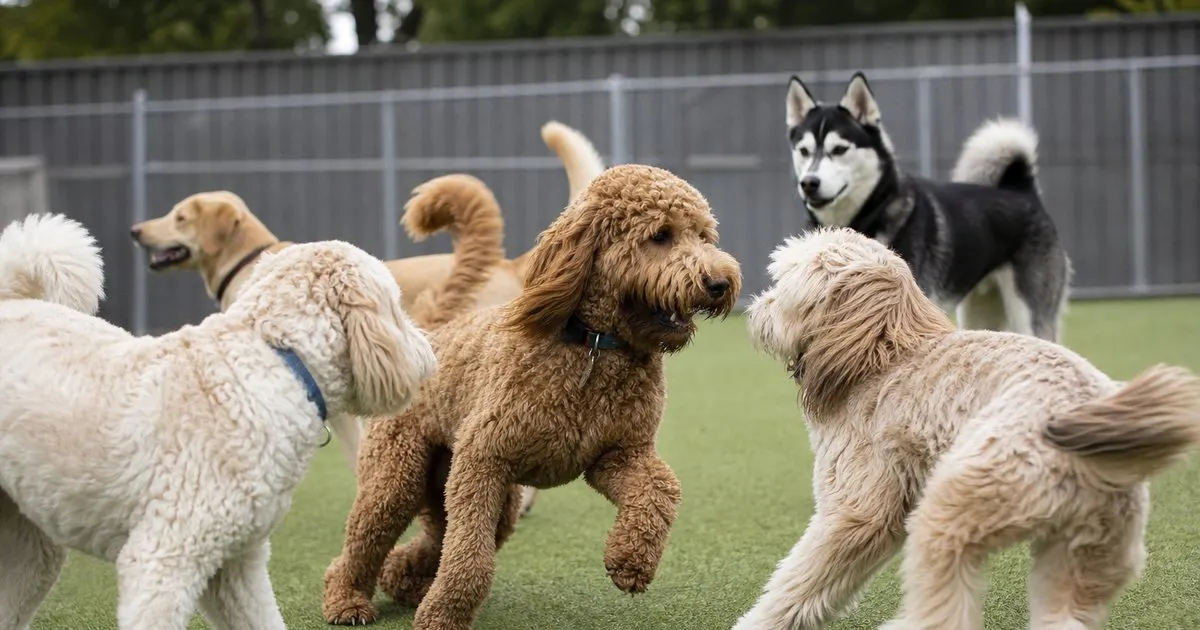
Putting the right dogs together is the core of a safe daycare floor. Here is why thoughtful playgroup sorting matters so much.
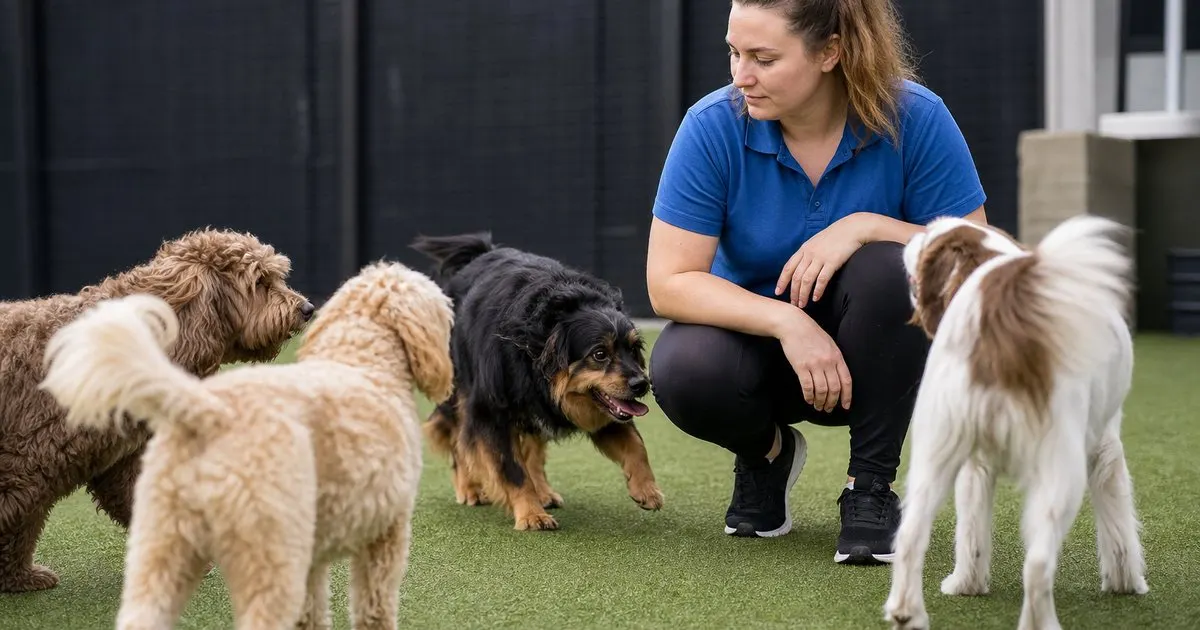
The handler-to-dog ratio shapes safety on the daycare floor. Here is how to think about a responsible number.
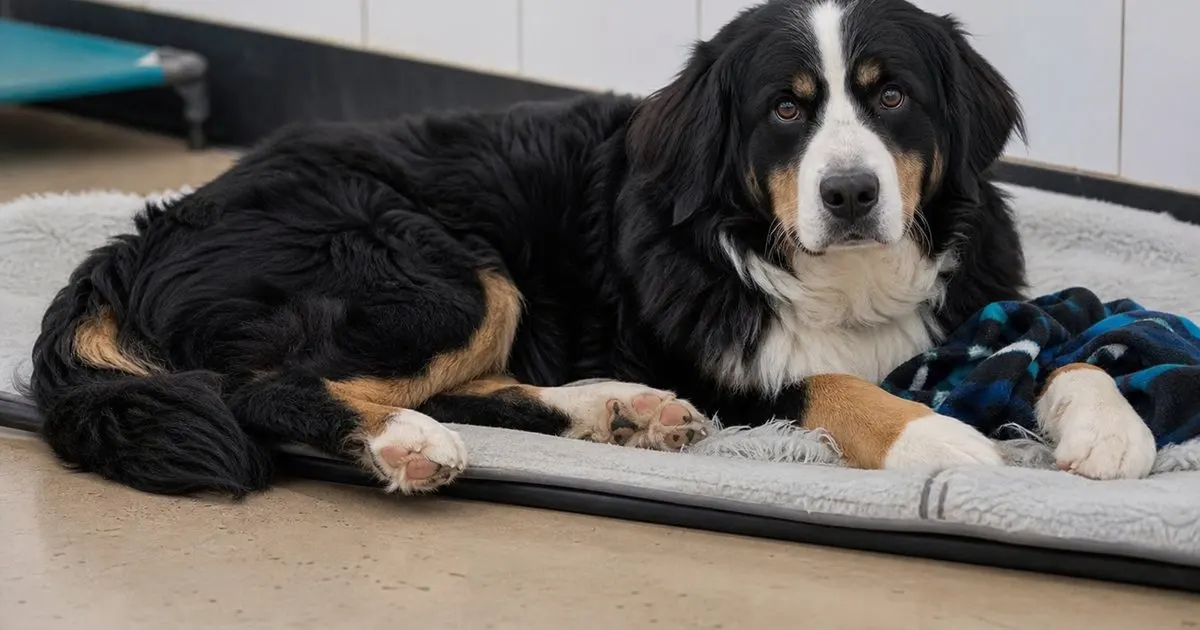
Even a well-matched dog sometimes needs a break from the group. Here is how to recognize the moment and handle it well.

The right behavior notes turn a daycare day into insight an owner can use. Here is what to observe and share.
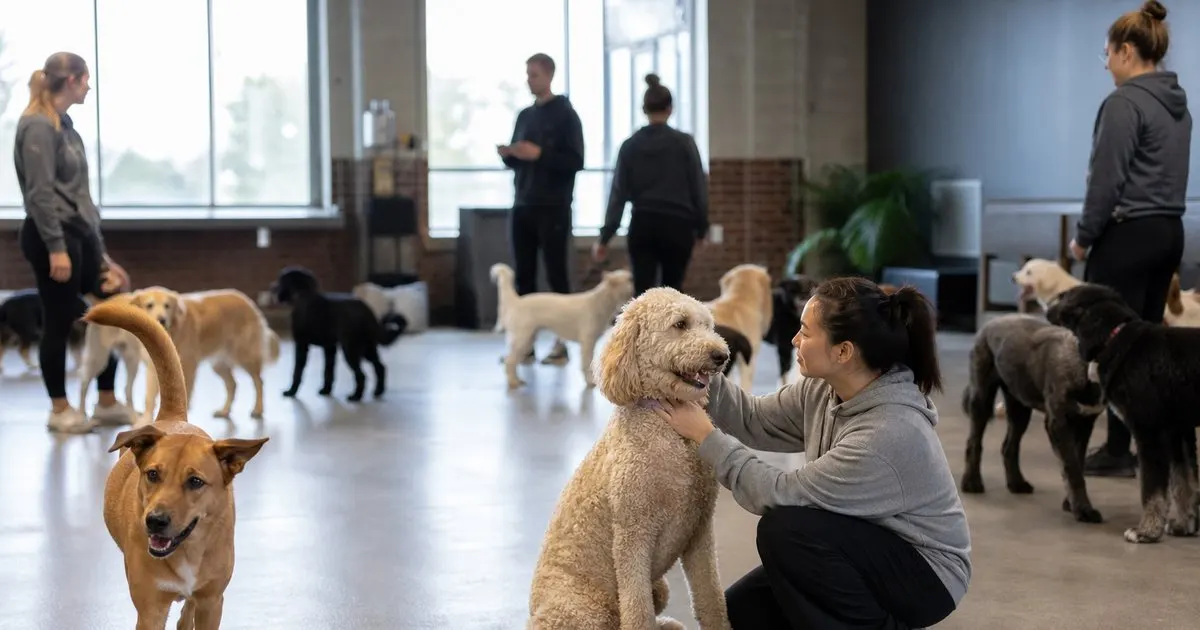
An overcrowded floor is unsafe and stressful. Here is how to track capacity so you always know when you are full.
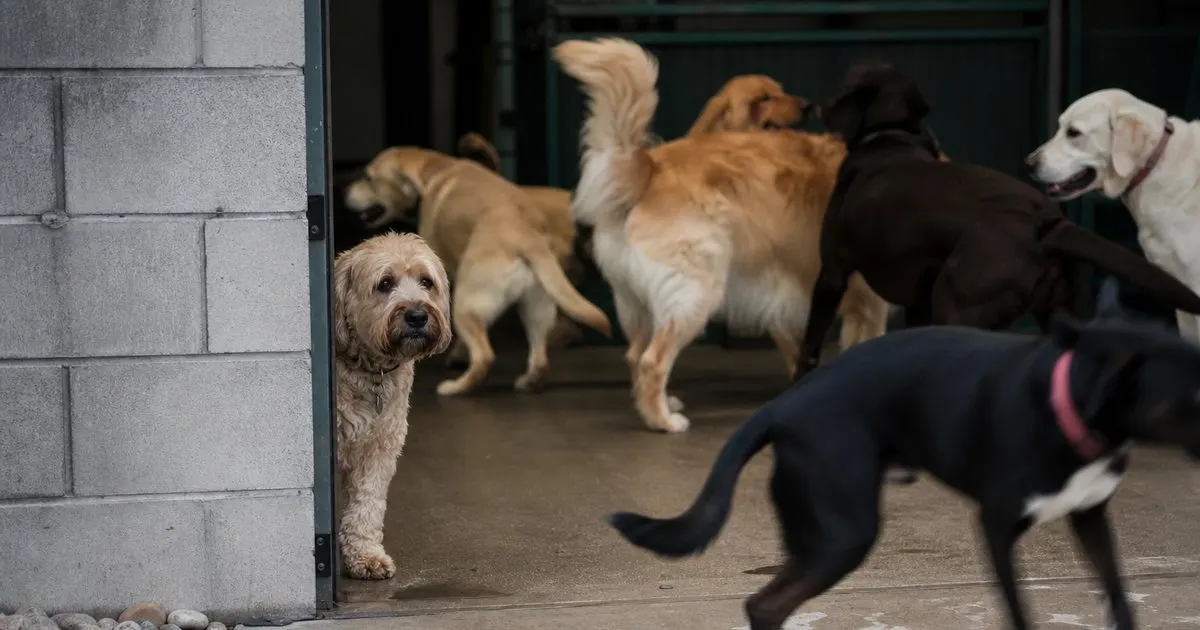
Daycare is not right for every dog forever. Here are the signs that a dog may no longer be enjoying it.

A simple daily note does more for owner trust than almost anything else. Here is how to make it count.
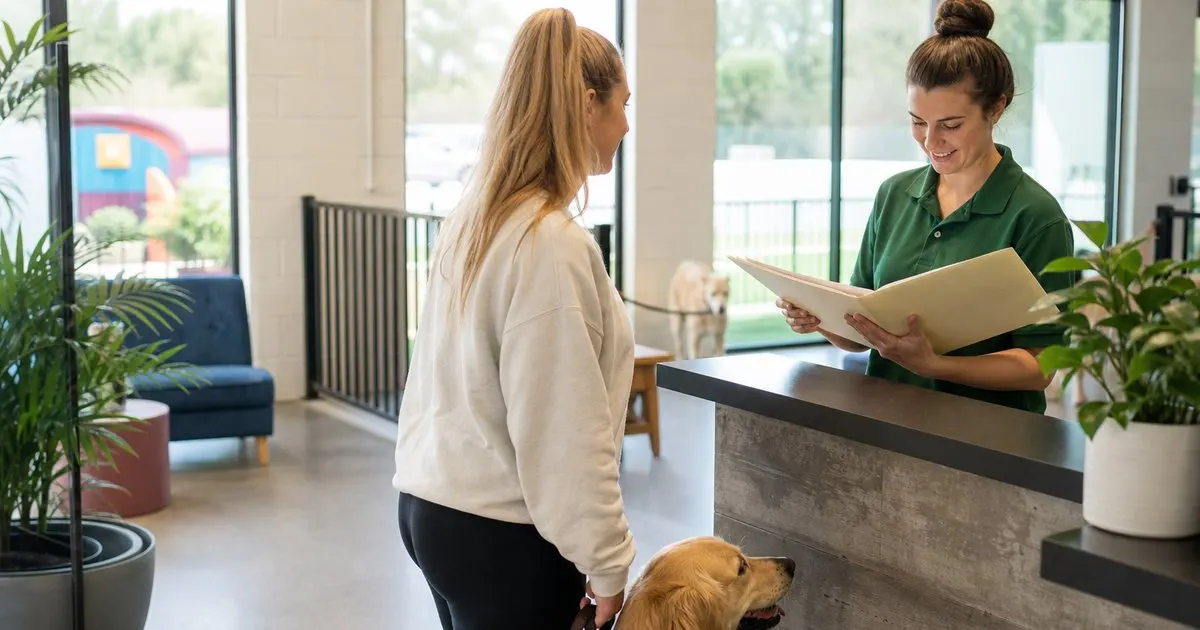
Records that were valid at enrollment expire quietly. Here is a practical cadence for rechecking rabies, DHPP, Bordetella and other vaccines without turning every check in into a paperwork fight.
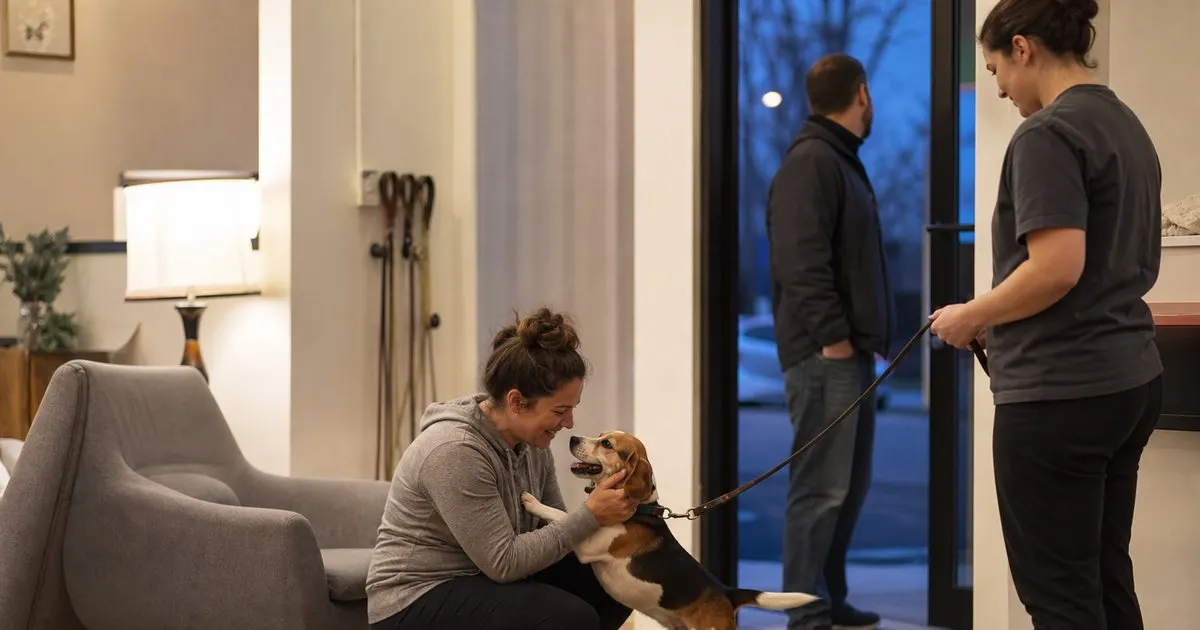
Afternoon pickup can undo a good day in ten minutes. This is how experienced daycares stage dogs, stagger owners, and hand over notes without chaos at the door.
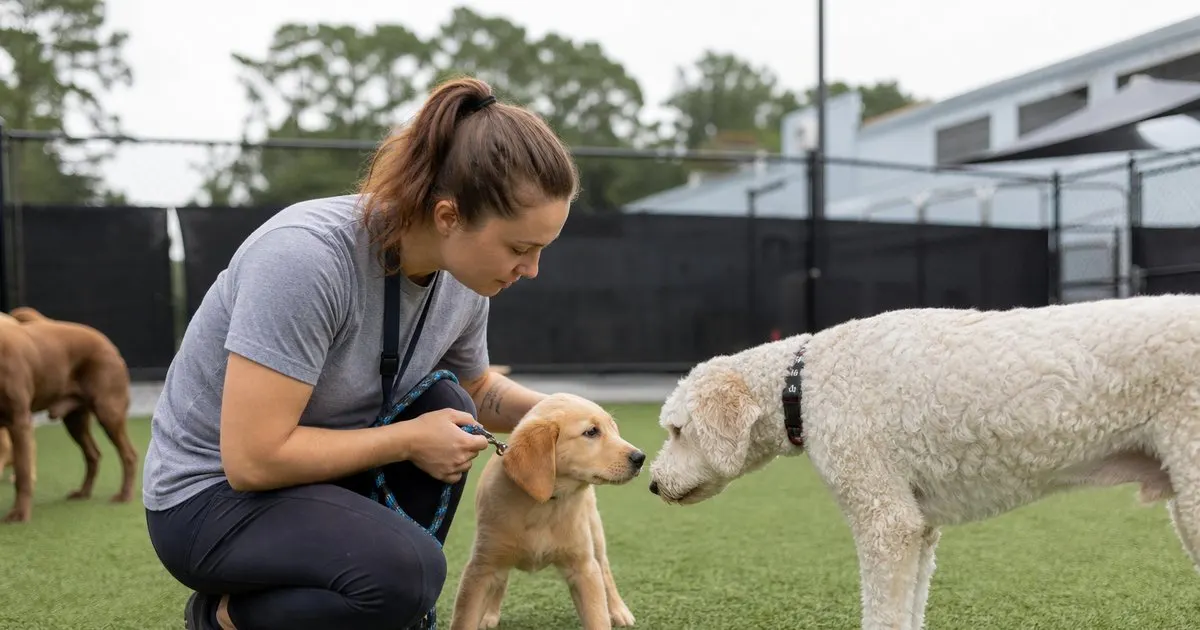
A trial day tells you more than any intake form. Here is how to structure the evaluation, what to watch for, and how to write it up so the decision is defensible.
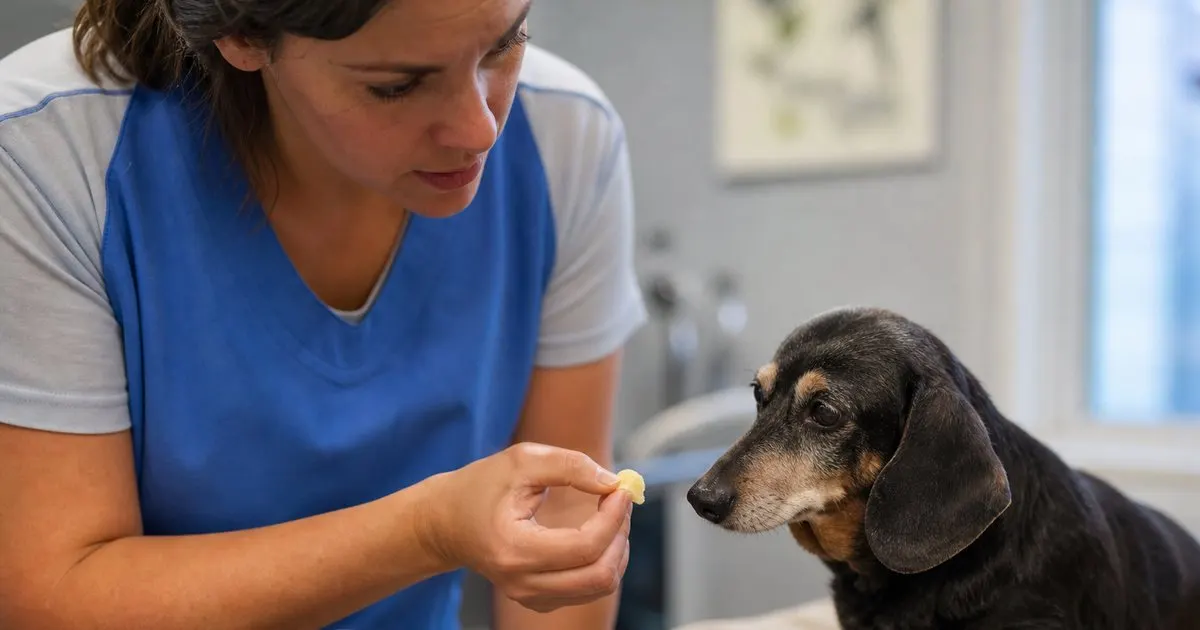
Midday pills, ear drops, and insulin are a normal part of running a daycare. A written protocol, one log, and a few habits keep doses accurate and everyone protected.
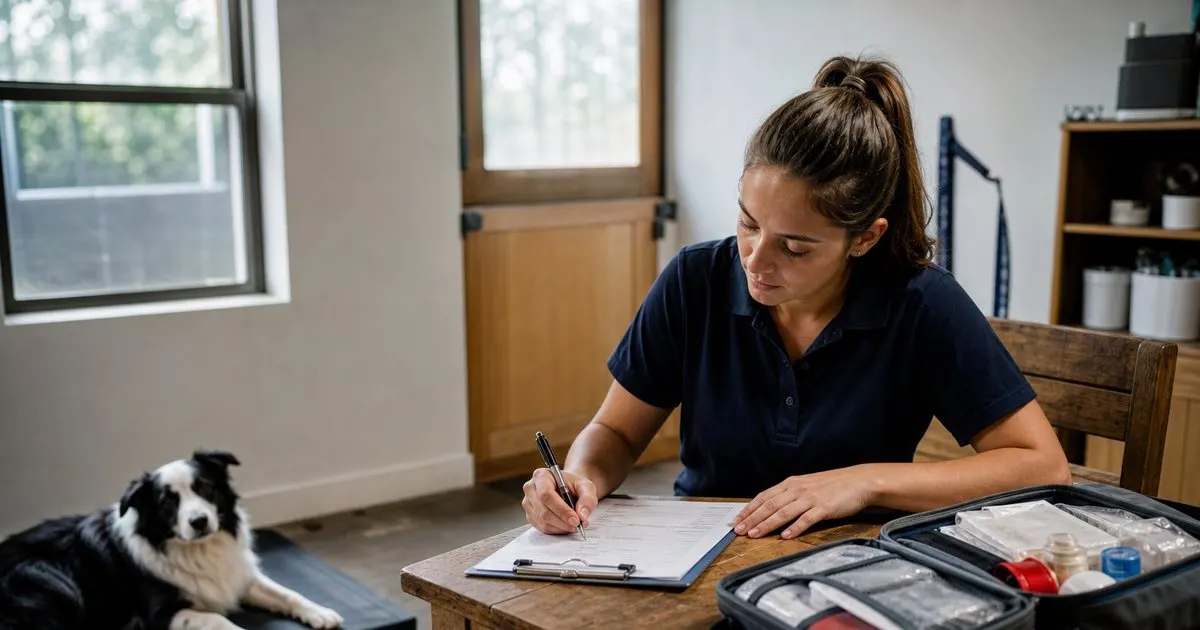
Most scuffles end in seconds and leave no injury. The report you write afterward is what determines whether the facility learns from it and whether owners trust the account.
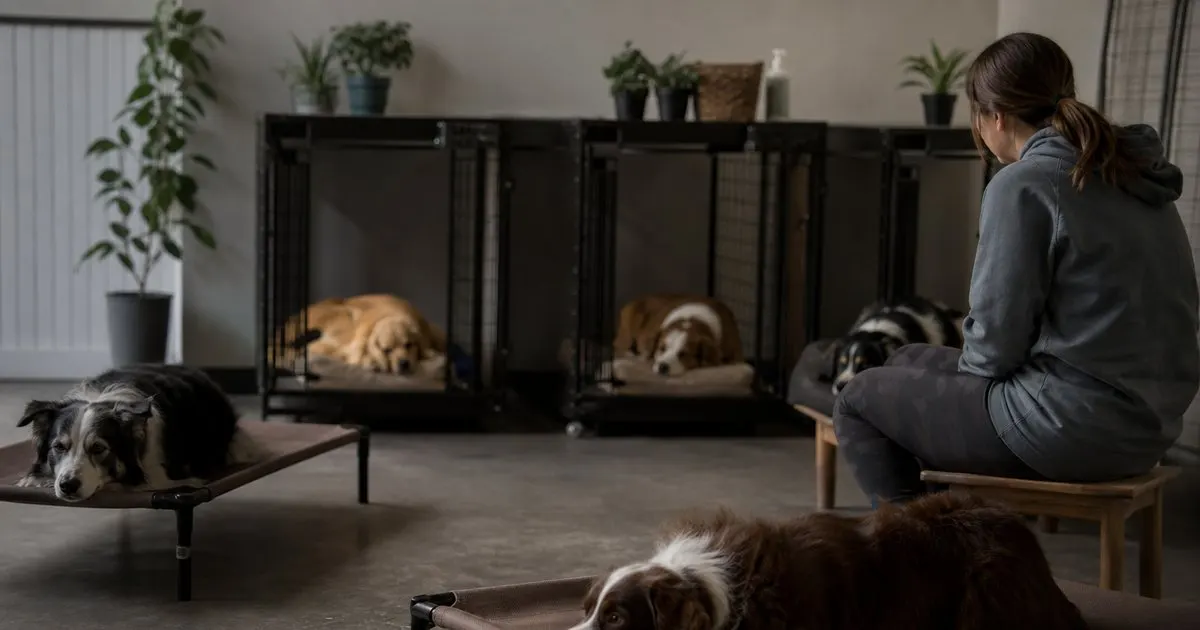
Nonstop play is not the goal. Built-in rest blocks lower arousal, reduce scuffles, and send dogs home tired in a good way rather than frazzled.
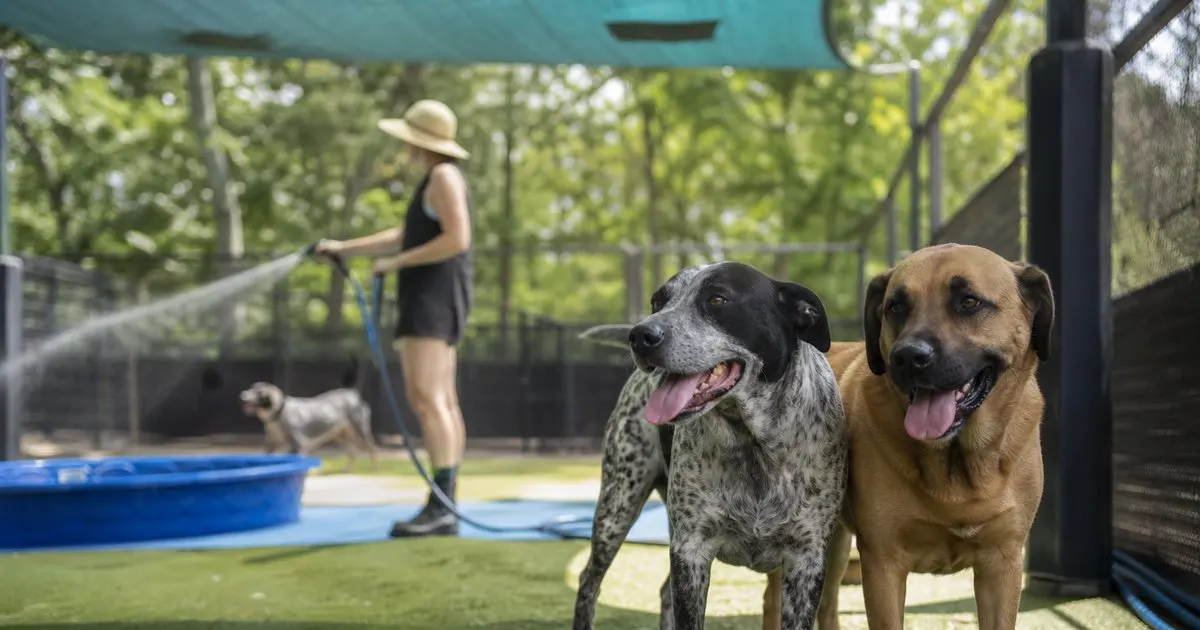
Heat stress in a playgroup escalates fast and the dogs at risk are not always the obvious ones. Here is how to set a trigger, watch the right dogs, and adjust the day.

The moment one handler leaves and another takes the floor is where information gets lost. A five minute handoff with the right structure prevents most afternoon surprises.

The intake form is the one chance to collect the information you will need on the worst day. Here is what belongs on it and what is just clutter.

A dog that vomits, coughs, or goes flat in the middle of a play session needs a fast, calm, repeatable response. Here is the sequence that protects the dog, the group, and your credibility with the owner.

Lunch at daycare is where allergies, resource guarding, and bloat risk all meet. A narrow policy, portioned food from home, and one visible allergy flag prevent almost every problem.