How Much Detail Should a Shift Handoff Include Between Daycare Handlers?
The moment one handler leaves and another takes the floor is where information gets lost. A five minute handoff with the right structure prevents most afternoon surprises.

What gets lost at shift change
Most daycares run at least two shifts on the floor, and the transition between them is a known weak point. The morning handler knows that a certain dog limped briefly after a wrestle, that another one did not eat, that a third has been guarding the water bowl. The afternoon handler walks in cold. If the handoff is a wave and a see you tomorrow, that knowledge leaves the building. The afternoon plays out with a handler who does not know which dog to watch, and the owner at pickup gets a report that is missing the morning.
The other thing that gets lost is the plan. Which dogs are being picked up early, which dog is on a shortened day, which medication is due at 2 p.m., which group has been swapped because two dogs were not getting along. Without a handoff, the afternoon handler rediscovers all of it the hard way. Handoffs are not bureaucracy. They are the mechanism by which a facility acts like one team across a day rather than two separate half days. Related: How Many Dogs Should One Handler Supervise in a Daycare Playgroup?
Keep reading: How Can a Dog Daycare Speed Up Check In During the Morning Rush?, What Should a Daily Report Card Include for Dog Daycare Parents?, Why Does Playgroup Sorting Matter for Safety at a Dog Daycare?. See how PupCheckr helps you dog daycare check-in and daily activity notes.
The right amount is short and structured
A good handoff is about five minutes, ideally spoken face to face with a written record backing it up. It is not a full review of every dog. It is an exception report: what is different today, what needs watching, what needs doing. Go dog by dog only for the ones with something to say. For everyone else, a quick normal day is enough. Handlers who try to cover all twenty dogs in detail run out of time and the important items get buried in the routine ones.
A simple structure that works: first, anything urgent (injuries, illness, a dog that needs to be kept separate). Second, scheduled tasks (medications, early pickups, a re-evaluation). Third, things to watch (dogs that were ramping up, dogs that did not eat, dogs that seemed off). Fourth, group notes (which groups are running, any swaps, any capacity issue). Fifth, anything owners have said that the afternoon should know. Same order every day, so the incoming handler knows when they have heard everything. Related: What Behavior Notes Help Owners Understand Their Dog's Day at Daycare?
Making the written record match the conversation
The spoken handoff is where nuance lives, but the written record is what survives. If the morning handler logged notes through the day, the handoff is mostly a walk through of what is already written. That is the ideal. If the notes are written at the end of the shift from memory, they will be thinner and the handoff will be doing more of the work. Encourage logging in the moment, in whatever tool you use, and treat the handoff as a check that nothing important is missing from the record. Related: How Can a Dog Daycare Speed Up Check In During the Morning Rush?
The written record also matters because the afternoon handler will build the daily report card for owners from it. A morning note that says ate half of breakfast, seemed a little quiet, is exactly what an owner wants to know. If it lives only in the morning handler's head, the report card says had a great day and the owner is surprised when the dog is lethargic that evening. Continuity of notes across shifts is what makes a daily report trustworthy rather than a form letter. Related: What Should a Daily Report Card Include for Dog Daycare Parents?
Handoffs when the shift changes are messy
Real facilities do not have perfect overlap. Sometimes the morning handler has to leave before the afternoon one arrives, or the change happens during pickup, or three part-timers rotate through a single afternoon. In those cases, the written record is the handoff. Make the last ten minutes of any shift a protected time for updating notes, even if the floor is busy, and have the incoming handler read the day's notes before touching a leash. A whiteboard with the exception list for the day, in a spot every handler passes, is a good low tech backup.
Whoever is designated floor lead should own the handoff, even if they did not personally see every event. That means the lead collects notes from other handlers throughout the shift. If your software lets multiple handlers log against the same dog during the day, the lead's job is easier because the record assembles itself. Either way, the principle holds: nobody should start a shift without knowing what is different about today, and nobody should end one without having written it down.
- A handoff is an exception report, not a review of every dog: urgent items, scheduled tasks, dogs to watch, group notes, owner messages.
- Aim for about five minutes spoken, backed by notes that were logged during the shift rather than reconstructed at the end.
- Continuity of notes across shifts is what makes the daily report card accurate for owners.
- When shifts do not overlap, protect the last ten minutes for note writing and require the incoming handler to read before starting.

Julien Jimenez
Julien Jimenez is an independent software builder based in Paris. He designs, ships, and operates focused SaaS products for small businesses and independent professionals. Read the full author page.
Faster check-in, happier daycare parents
Dog daycare check-in and daily activity notes. PupCheckr is built to help you put this into practice.
Speed up check-inMore from the PupCheckr blog
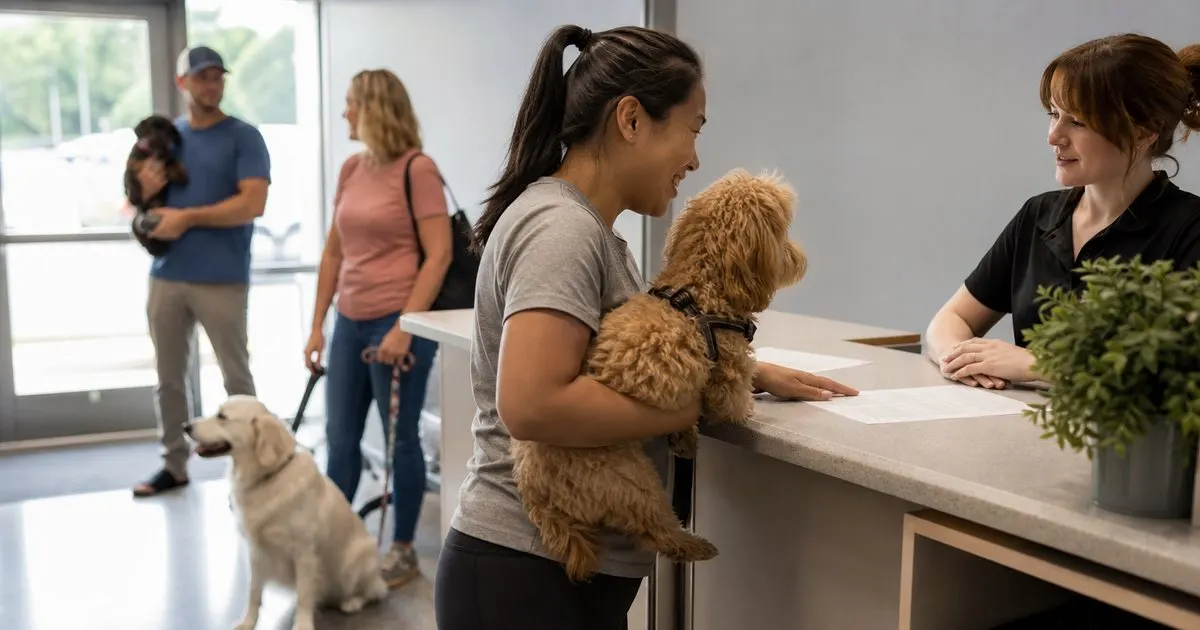
How Can a Dog Daycare Speed Up Check In During the Morning Rush?
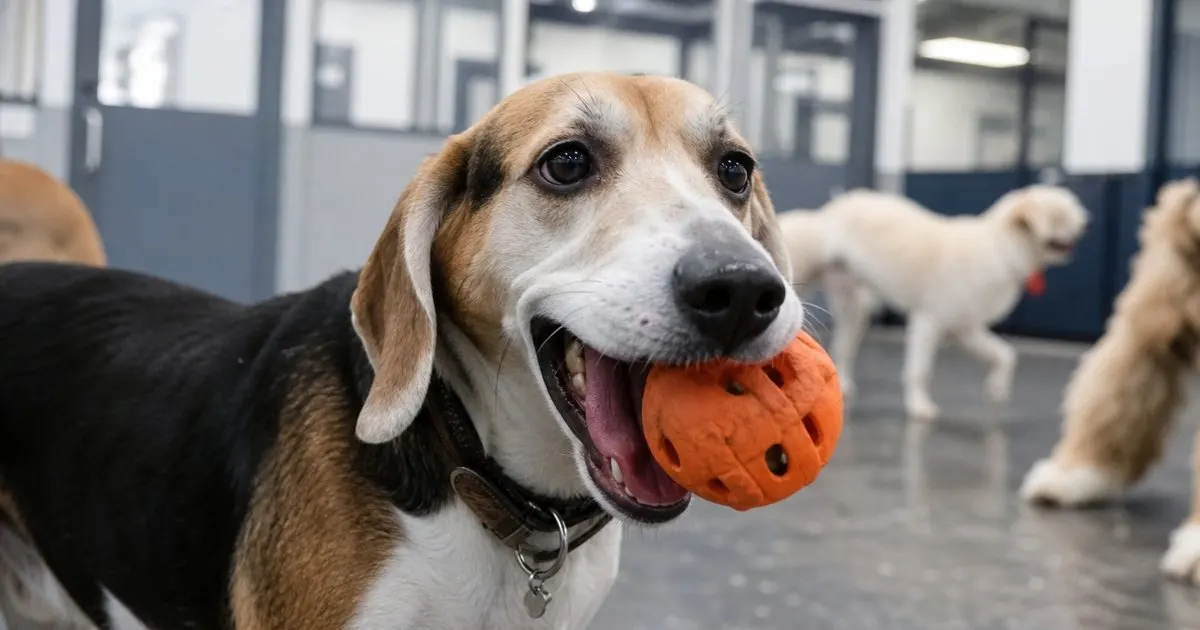
What Should a Daily Report Card Include for Dog Daycare Parents?
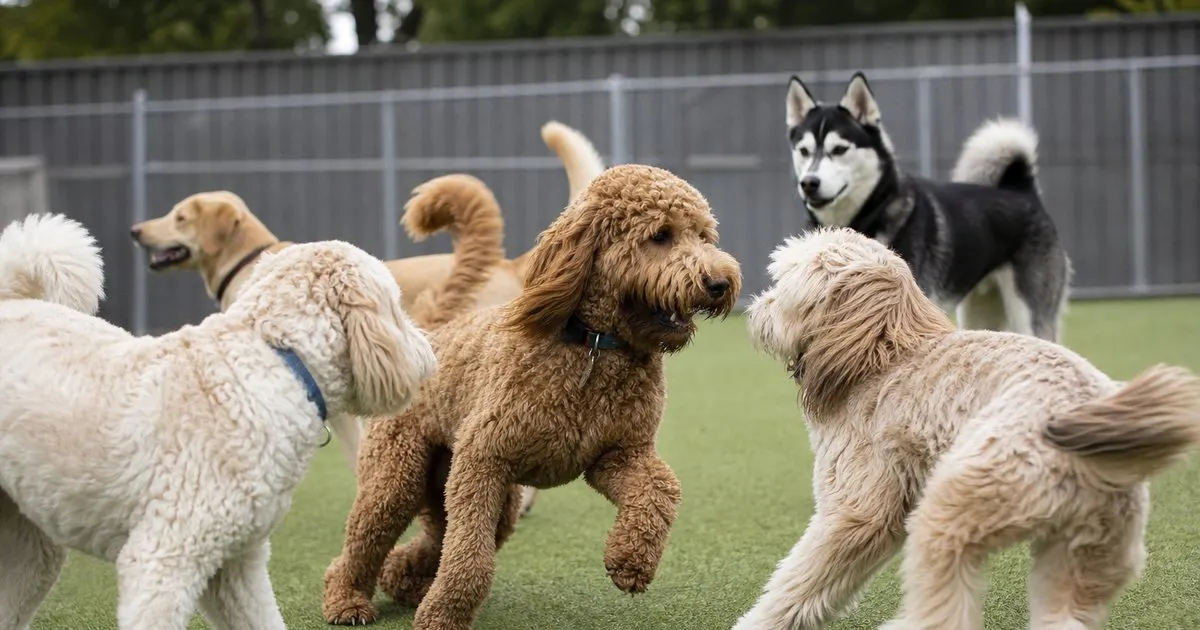
Why Does Playgroup Sorting Matter for Safety at a Dog Daycare?
Get the PupCheckr playbook
Practical guides on dog daycare check-in, straight to your inbox as we publish them. No spam, unsubscribe any time.