Which Owner Details Should a Daycare Confirm Before Accepting a New Dog?
The intake form is the one chance to collect the information you will need on the worst day. Here is what belongs on it and what is just clutter.

The details you need on the worst day
Most of an intake form is never looked at again. The parts that matter are the ones you reach for when something goes wrong: a dog is injured, a dog is sick, a stranger shows up to collect a dog, or an owner cannot be reached at closing. Design the form around those moments. That means at least two emergency contacts with phone numbers, not just the owner's mobile. It means the name, address, and phone number of the dog's regular veterinarian and, ideally, the nearest emergency clinic the owner prefers.
It also means a signed veterinary care authorization. If a dog needs treatment and the owner cannot be reached, the facility needs written permission to seek care and a stated spending limit the owner has agreed to in advance. Without it, staff are left guessing at a bad moment. Include a line for the owner to say whether they want the daycare to use their regular vet, the nearest clinic, or whichever is fastest. Collect this at enrollment, not at the first emergency. Related: When Should a Daycare Separate a Dog From Its Regular Playgroup?
Keep reading: How Can a Dog Daycare Speed Up Check In During the Morning Rush?, What Should a Daily Report Card Include for Dog Daycare Parents?, Why Does Playgroup Sorting Matter for Safety at a Dog Daycare?. See how PupCheckr helps you dog daycare check-in and daily activity notes.
Medical and behavior history, asked honestly
Ask directly about anything that affects safety: allergies, current medications, chronic conditions such as seizures or heart disease, recent surgeries, and whether the dog is spayed or neutered. Intact dogs are not automatically excluded at most facilities, but the status affects grouping and the timing around heat cycles, so it needs to be known. Ask about past injuries too, since an old joint problem changes how a handler reads a limp. Related: How Many Dogs Should One Handler Supervise in a Daycare Playgroup?
Behavior history is where owners are least forthcoming and where honesty matters most. Ask whether the dog has ever bitten a person or a dog, whether it guards food or toys, how it reacts to being handled, and whether it has been asked to leave another daycare or boarding facility. Phrase these questions plainly and explain that the answers help you place the dog well rather than reject it. Owners who feel that an honest answer will get their dog turned away will simply say no to everything. Related: Why Does Playgroup Sorting Matter for Safety at a Dog Daycare?
Who can pick the dog up, and how you will know
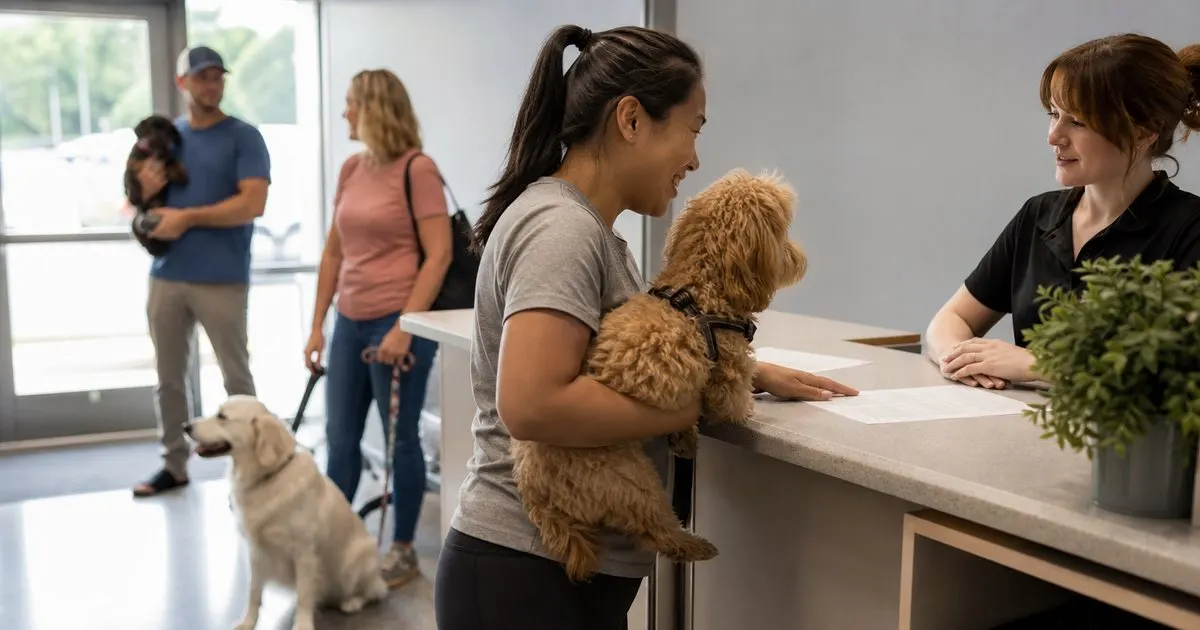
A surprising number of tense moments at the front desk come from pickup authorization. The owner's partner, a dog walker, a neighbor, or a family member arrives and staff do not know whether to release the dog. The intake form should list every person authorized to pick up, with a phone number, and the policy should say that anyone not on the list needs the owner's confirmation before the dog leaves. Update the list whenever the owner asks, and note the date it changed.
Ask for a recent photo of the dog for the profile and encourage owners to keep it current. A photo helps new staff match a name to a face in a full lobby and it is useful if a dog ever gets loose. Also record the dog's microchip number if the owner has it, and whether the dog wears a collar tag. None of this takes long at enrollment, and all of it is nearly impossible to gather in a hurry.
Preferences, consents, and what to leave off
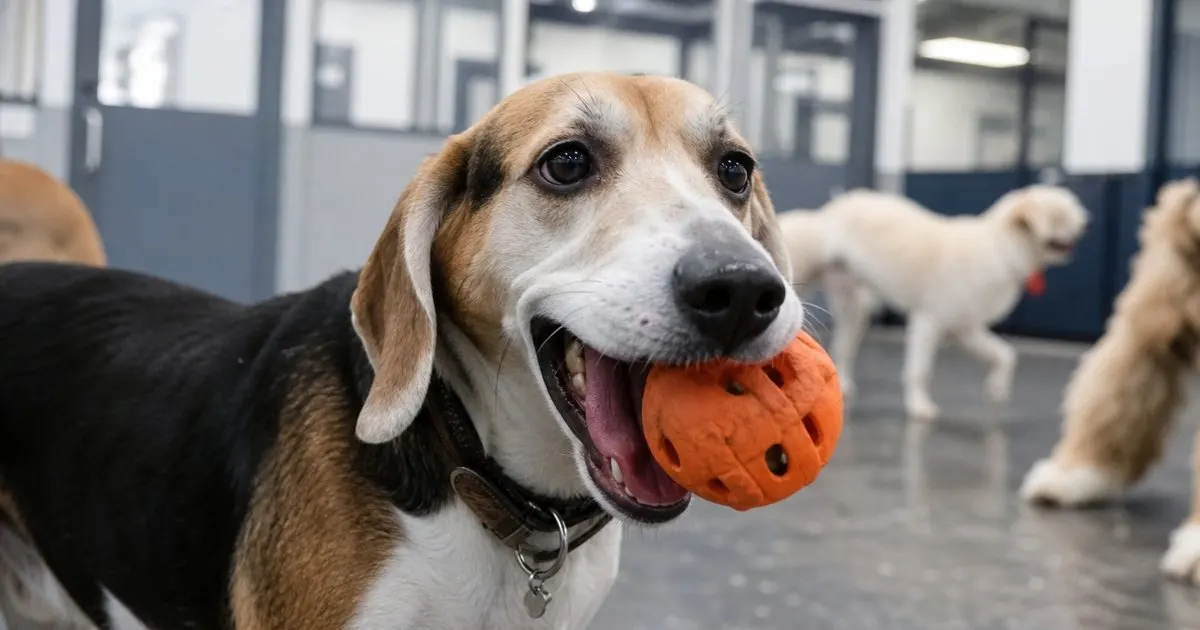
The last section is where you gather the things that make the daily report useful: feeding instructions if the dog eats at daycare, whether treats are allowed, a favorite toy or a hated one, whether the dog is crate trained, and any words or cues the owner uses. Ask for consent to photograph the dog for daily reports and, separately, for social media. Treat those as different questions, since many owners are happy with the first and not the second. Related: What Should a Daily Report Card Include for Dog Daycare Parents?
Then stop. A form that runs to five pages gets filled in carelessly and read never. Leave off questions you will not act on. If you are not going to change anything based on the dog's favorite sleeping position, do not ask. Store the completed form on the dog's profile alongside vaccination records and incident notes so that the whole picture is in one place, and review it with the owner once a year or whenever something in the dog's life changes. An intake form is a living record, not a one time gate.
- Collect two emergency contacts, the regular vet, a preferred emergency clinic, and a signed veterinary care authorization with a spending limit.
- Ask plainly about bite history, guarding, handling sensitivity, and prior dismissals, and frame the questions as placement help rather than screening.
- List every person authorized to pick up the dog and require owner confirmation for anyone else.
- Keep the form short, ask only what you will act on, and review it with the owner yearly.

Julien Jimenez
Julien Jimenez is an independent software builder based in Paris. He designs, ships, and operates focused SaaS products for small businesses and independent professionals. Read the full author page.
Faster check-in, happier daycare parents
Dog daycare check-in and daily activity notes. PupCheckr is built to help you put this into practice.
Speed up check-inMore from the PupCheckr blog
How Can a Dog Daycare Speed Up Check In During the Morning Rush?
What Should a Daily Report Card Include for Dog Daycare Parents?

Why Does Playgroup Sorting Matter for Safety at a Dog Daycare?
Get the PupCheckr playbook
Practical guides on dog daycare check-in, straight to your inbox as we publish them. No spam, unsubscribe any time.