What Should a Daycare Do When a Dog Needs Medication During the Day?
Midday pills, ear drops, and insulin are a normal part of running a daycare. A written protocol, one log, and a few habits keep doses accurate and everyone protected.
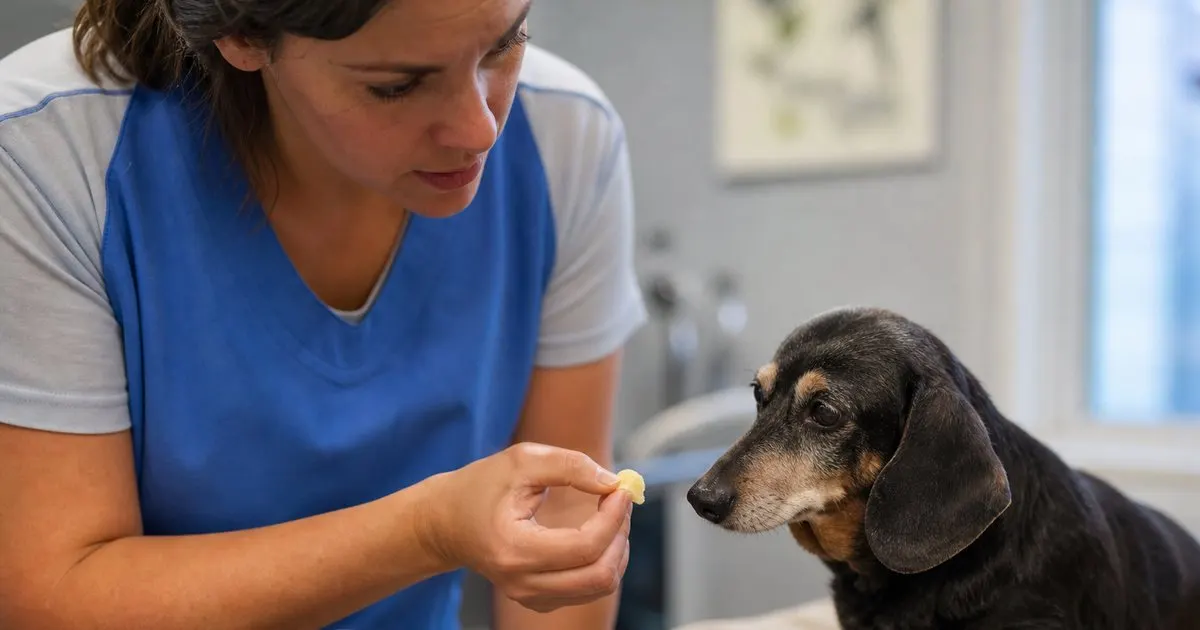
Decide what you will and will not administer
The first step is a written policy that says which kinds of medication your staff will give. Most daycares are comfortable with oral tablets and capsules, chewables, and simple topical treatments like ear drops. Fewer take on injections such as insulin, and those that do typically require a staff member who has been shown the technique by the owner or a vet. Controlled substances and anything requiring precise timing to the minute deserve a separate conversation. Saying no to certain medications is a legitimate choice. Saying yes without a plan is the problem.
Check your state and local rules and your insurance policy before finalizing. Some jurisdictions have specific language about non-veterinary staff administering medication, and some insurers want to see a protocol. Your veterinarian advisor, if you have one, is the right person to review the list. Put the policy on your intake paperwork so owners know what to expect before they show up with a bag of pills and a handwritten note.
Keep reading: How Can a Dog Daycare Speed Up Check In During the Morning Rush?, What Should a Daily Report Card Include for Dog Daycare Parents?, Why Does Playgroup Sorting Matter for Safety at a Dog Daycare?. See how PupCheckr helps you dog daycare check-in and daily activity notes.
Require authorization and the original container
Every medication should come with a signed authorization from the owner naming the drug, the dose, the time, how it is given, and what it is for. That last item matters: knowing a pill is for anxiety versus a heart condition changes how urgently you treat a missed dose. Ask for the medication in its original container with the pharmacy or vet label. Loose pills in a baggie are a recipe for errors, and they leave the facility with no way to verify what was handed over.
Record the authorization on the dog's profile alongside the vaccination records, and set an end date if the medication is short term, like a course of antibiotics. When the course ends, remove it so staff are not prompted to give a drug the dog no longer takes. For ongoing medications, ask owners to confirm the dose at least every few months, since vets adjust doses and owners do not always think to tell the daycare. Related: What Behavior Notes Help Owners Understand Their Dog's Day at Daycare?
One log, one habit, every dose
The medication log is the heart of the system. Every dose gets an entry with the dog's name, the drug, the amount, the time it was actually given, and the initials of the person who gave it. Whether that is a clipboard or a field in your check-in software, the format matters less than the discipline of writing it at the moment of administration, not at the end of the shift from memory. A dose that is not logged is, for all practical purposes, a dose that did not happen, because nobody can prove otherwise.
Build a physical routine around the log. Keep medications in a locked cabinet or a refrigerator away from the play floor, with each dog's items in a labeled bin. Set a reminder at the scheduled time. Have the handler read the label out loud before giving the dose, then log it before doing anything else. If two dogs in the building take medications with similar names, flag both bins. Errors almost always come from interruptions, so make the log entry the thing that closes the loop. Related: How Many Dogs Should One Handler Supervise in a Daycare Playgroup?
Missed doses, refusals, and what to tell owners
Dogs spit out pills, refuse food, or get overlooked during a busy stretch. The protocol should say what to do in each case. For most oral medications, a reasonable approach is to try again once with a different food wrapper, and if the dog still refuses, log the refusal and tell the owner at pickup or earlier by message if the medication is time sensitive. Never double up a later dose to make up for a missed one without direction from the owner or the vet. Related: Why Does Scheduled Rest Time Matter for Dogs in Full Day Daycare?
Report every dose in the daily notes, including the time. Owners on tight schedules with a diabetic dog or a dog on seizure medication rely on that timestamp to plan the evening dose. Reporting a missed or late dose promptly is also what protects the facility. An owner who learns about a missed dose from the log at pickup can adjust. An owner who finds out two days later has a legitimate complaint. Honest logging, shared openly, turns medication from a liability into a service owners value. Related: What Should a Daily Report Card Include for Dog Daycare Parents?
- Write a policy that lists which medications staff will give, and check state rules and your insurer before finalizing.
- Require signed owner authorization and the original labeled container for every medication.
- Log every dose with time and initials at the moment it is given, not from memory later.
- Never double a dose to make up for a missed one, and tell the owner about refusals or late doses promptly.

Julien Jimenez
Julien Jimenez is an independent software builder based in Paris. He designs, ships, and operates focused SaaS products for small businesses and independent professionals. Read the full author page.
Faster check-in, happier daycare parents
Dog daycare check-in and daily activity notes. PupCheckr is built to help you put this into practice.
Speed up check-inMore from the PupCheckr blog
How Can a Dog Daycare Speed Up Check In During the Morning Rush?
What Should a Daily Report Card Include for Dog Daycare Parents?

Why Does Playgroup Sorting Matter for Safety at a Dog Daycare?
Get the PupCheckr playbook
Practical guides on dog daycare check-in, straight to your inbox as we publish them. No spam, unsubscribe any time.